
Shop No. G-09, P.no. Cp 1/b Sg Benefit, Govindpuram, Ghaziabad, Ghaziabad, Uttar Pradesh, India, 201013
9310986441
9310986441
support@settlequick.in
complaint@settlequick.in





Introduction:
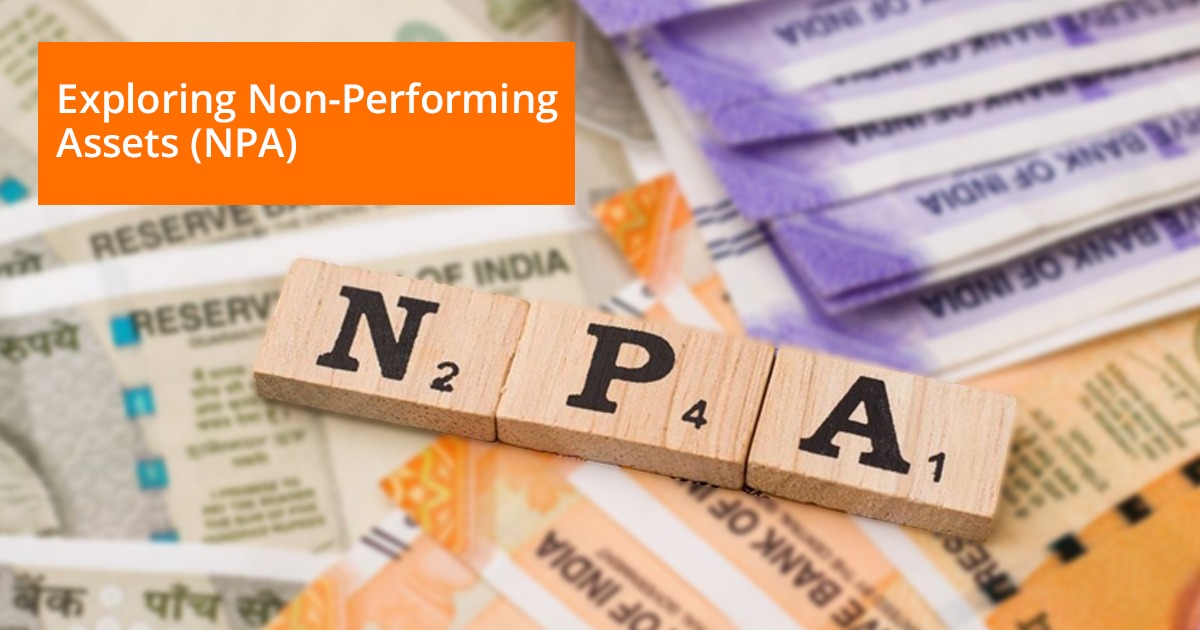
Prevention is always better than cure. This post provides valuable financial tips to help you avoid NPAs and maintain a healthy credit profile in the future.
1. Comprehensive Analysis: Detailed assessment of financial situations to develop tailored budgeting plans and strategies.
2. Cost Management: Identifying and controlling expenses to optimize resource allocation and reduce financial strain.
3. Debt Resolution: Strategically managing and settling debts to improve financial stability and creditworthiness.
4. Long-Term Planning: Creating sustainable financial plans with long-term goals and growth strategies to ensure future stability.
5. Regular Monitoring: Continuous tracking and adjustment of budgets and financial plans to adapt to changing circumstances and maintain financial health.
1. Structured Repayment Plans: Developing tailored repayment schedules to manage debt efficiently and reduce financial strain.
2. Negotiation with Creditors: Engaging in negotiations to secure favorable terms and potentially lower interest rates or reduce principal amounts.
3. Debt Consolidation: Combining multiple debts into a single loan with more manageable terms to simplify payments and reduce overall interest.
4. Regular Monitoring: Continuously reviewing and adjusting debt management strategies to ensure they remain effective and aligned with financial goals.
5. Financial Counseling: Providing expert advice on budgeting and financial planning to prevent future debt issues and promote long-term financial health.
1. Assessment: Evaluating financial needs and determining an appropriate target amount for the emergency fund.
2. Budget Allocation: Setting aside a portion of income regularly to build the fund gradually without disrupting daily finances.
3. Automated Savings: Using automatic transfers to ensure consistent contributions to the emergency fund.
4. Safe Storage: Keeping the fund in a readily accessible account, such as a high-yield savings account, for quick access during emergencies.
5. Periodic Review: Regularly reviewing and adjusting the fund size as financial circumstances or goals change to ensure it remains adequate.
1. Expert Guidance: Providing professional advice on budgeting, financial planning, and debt management to ensure long-term financial stability.
2. Strategic Planning: Developing and implementing tailored financial strategies to support sustained growth and resilience.
3. Regular Monitoring: Continuously tracking financial progress and adjusting plans as needed to adapt to changing circumstances.
4. Debt Management: Effectively managing and resolving debt to improve credit scores and reduce financial stress.
5. Emergency Planning: Assisting in building and maintaining an emergency fund to safeguard against unexpected financial challenges.
Conclusion:
Learn proactive measures to prevent NPAs and ensure long-term financial stability with advice from Settled Quick Pvt Ltd.